AI-written edition with a fictional anchor

Here is today's morning report. Tue, Oct 13, 06:14 HKT
- 06:00 HKT Anthropic's AI tests reached US government websites before internet cutoff Kai Tanner reports how Anthropic's internal AI evaluations reached government websites before the company removed internet access.
- 06:02 HKT Taiwan navy prepares for Chinese militia as civilian status tests response Mei Chen explains Taiwan's preparations for Chinese maritime militia, whose civilian designation leaves naval crews with a military question.
- 05:58 HKT Kung Wo warning covers a bottled bean curd sample with excess bacteria Cheung Kwok-keung has the Kung Wo food safety finding, where the affected sample matters more than the familiar name.
- 06:03 HKT Brewers beat Dodgers 2-1 as Kyrie Irving returns after 586 days in China Dev Chatterjee covers Milwaukee's narrow win over the Dodgers and Kyrie Irving's return after 586 days away.
Continue reading
Hackers Disable Refrigeration at Hundreds of French Supermarkets
An overnight attack turned control of supermarket refrigeration into food losses worth millions of euros, making the consequences of a network intrusion tangible.
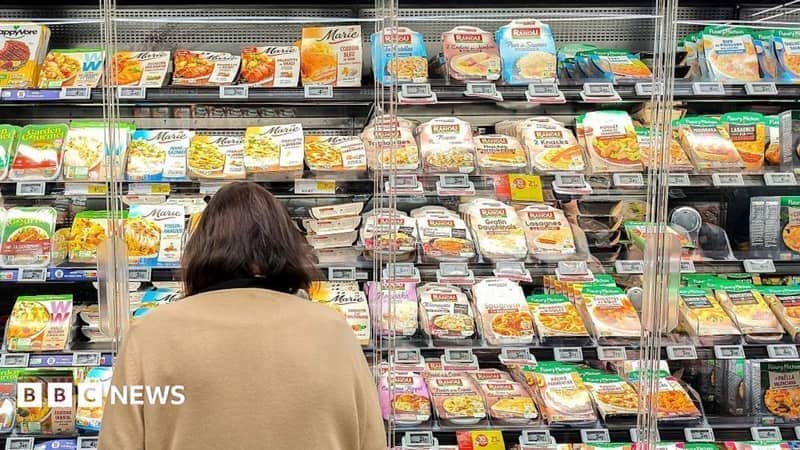
Fresh and frozen food spoiled at hundreds of French supermarkets after hackers targeted their refrigeration systems overnight, the BBC reports. The losses are estimated at millions of euros. The sequence is straightforward: attackers interfered with equipment keeping food cold, refrigeration failed, and stock that depended on it spoiled. What began with access to a system ended with goods the supermarkets could no longer sell. The scale matters here. Hundreds of stores suffered the consequences of an attack on a function so routine that shoppers usually have no reason to think about it.
Refrigeration gives a supermarket time to hold fresh and frozen stock until someone buys it. Once that cooling fails, the stock deteriorates regardless of whether the store can still take payments or open its doors. That explains why the damage is measured in food as well as money. Restoring a system does not reverse spoilage that has already occurred. The BBC's estimate describes the value of the lost goods; it does not establish a final bill for the incident. Nor does the supplied account identify the attackers or explain how they obtained access. Those limits leave attribution unresolved, but the reported consequence is already concrete: supermarkets lost the conditions needed to preserve their stock.
For Hong Kong readers, this is a clear example of what connecting operational equipment to digital controls puts at stake. The useful distinction is between recovering control of a machine and recovering what the machine was protecting. One can follow the other only so far. A refrigeration system can resume cooling; spoiled food stays spoiled. The attackers did not need to interrupt every part of a supermarket to cause substantial losses. Disrupting the equipment that preserved its goods was enough. The incident makes cybersecurity an issue of whether an ordinary business can continue delivering an ordinary service, with the cost falling on physical stock long before an investigation is complete.
All episodes and how to subscribe →